
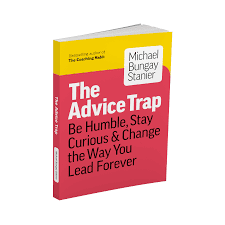
What are the three types of advice monsters identified by Michael Bungay Stanier in “The Advice Trap”?
In “The Advice Trap,” Michael Bungay Stanier sheds light on the pervasive nature of the advice monster and offers strategies to tame it. One key takeaway is the recognition of three distinct types of advice monsters: the “Tell It” Advice Monster, the “Save It” Advice Monster, and the “Control It” Advice Monster.
Stanier’s central point revolves around challenging the instinct to be overly helpful. Instead of immediately offering solutions, he suggests pausing to inquire about the person’s needs. By asking what exactly they seek from you before launching into advice-giving mode, you can tailor your response more effectively.
What does Stanier recommend to combat the urge to provide immediate advice?
Stanier advocates for slowing down the advice monster by resisting the temptation to rush into offering solutions. By taking a moment to pause and reflect, you create space for a more meaningful exchange. This pause allows for deeper understanding and helps avoid premature judgments or assumptions.
How does Stanier propose creating a learning moment in conversations?
Stanier emphasizes the importance of creating “a-ha!” moments for others by facilitating their discovery process. Instead of spoon-feeding solutions, encourage exploration and critical thinking. By guiding individuals to uncover insights on their own, you empower them to take ownership of their learning and development.
In what ways can individuals utilize different channels to ask questions and facilitate meaningful conversations?
Stanier encourages the use of various communication channels to engage in dialogue and ask questions effectively. Whether through face-to-face interactions, virtual meetings, emails, or even informal chats, each channel presents an opportunity to prompt reflection and spark insightful discussions.
How does Stanier underscore the significance of active listening in communication?
Stanier underscores the importance of truly listening to the responses you receive. Acknowledge and validate the answers you get, demonstrating genuine interest and respect for the other person’s perspective. By embracing silence and giving space for reflection, you foster a more authentic and productive exchange.
In conclusion, “The Advice Trap” offers valuable insights into the art of asking questions and taming the advice monster within. By reframing conversations and prioritizing inquiry over immediate solutions, individuals can cultivate a culture of learning and growth, both personally and professionally. So, let’s embrace the wisdom of Stanier’s advice and embark on a journey of discovery and transformation.

Ready to strengthen your leadership skills and unleash your potential? Contact Lead Vantage to embark on your leadership journey today. Speak less, ask more! Book a call: https://leadvantage.ca/book-a-call/ with Lead Vantage now.