As we approach the end of another year, it’s natural to reflect on what we’ve accomplished, the challenges we’ve navigated, and what we want to do differently in the year ahead.
But what if, instead of focusing solely on what we achieved as leaders, we reflected on who we were as leaders?
- How did people experience us?
- Did we create an environment where others felt valued, challenged, supported, and empowered?
- Did we make space for connection, or did the demands of our roles overshadow the relationships that make leadership meaningful?
Leadership is evolving. The traditional image of a leader as someone who has all the answers, maintains control, and demonstrates unwavering confidence is being challenged. Today’s leaders are navigating increasingly complex environments where adaptability, emotional intelligence, trust, and genuine human connection are essential.
It’s time to be the human behind the title.
From Authority to Influence
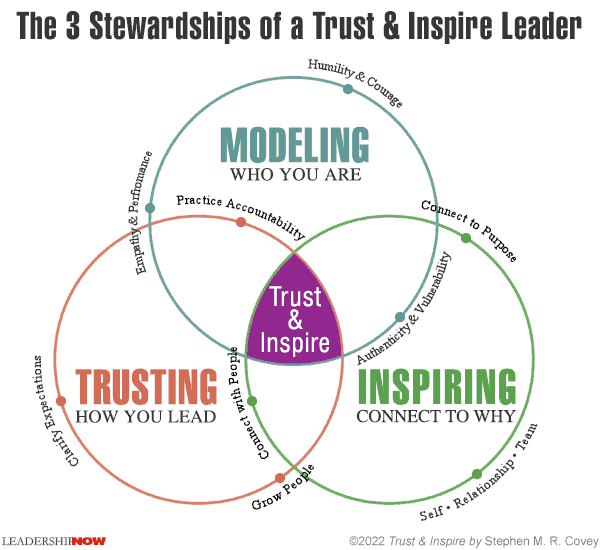
For generations, leadership has often been associated with hierarchy, expertise, and positional authority. Leaders were expected to know more, decide faster, and maintain a certain professional distance. While expertise and decisiveness remain important, a title alone does not create trust, inspire commitment, or foster meaningful engagement. People want to be led by someone they respect, trust, and can connect with. They want leaders who recognize their individuality, listen to their perspectives, and care about their development.
This requires a shift:
- From having all the answers to asking better questions.
- From controlling outcomes to empowering others.
- From protecting your image to demonstrating authenticity.
- From managing performance to developing people.
- From demanding trust to consistently earning it.
- From being right to being willing to learn.
Leadership is less about proving your capability and more about creating the conditions for others to realize theirs.
Humanity Is Not the Opposite of High Performance
One of the misconceptions about human-centered leadership is that it means lowering expectations, avoiding difficult conversations, or prioritizing relationships at the expense of results. In reality, effective leadership requires both compassion and accountability.
- You can care deeply about someone and still challenge their performance.
- You can acknowledge someone’s circumstances while maintaining clear expectations.
- You can demonstrate vulnerability while making difficult decisions.
Being human does not mean making leadership easier or more comfortable. It means approaching the complexities of leadership with greater awareness, courage, and intention. Sometimes, the most caring thing a leader can do is have the conversation they have been avoiding, provide honest feedback, or challenge someone to recognize their own potential.
Humanity and accountability are not competing priorities. They are complementary leadership capabilities.
Let Go of the Pressure to Be Perfect
Many leaders carry an unspoken belief that they must always appear confident, composed, and capable. They hesitate to admit when they don’t know something. They avoid acknowledging mistakes. They feel responsible for solving every problem and may interpret asking for help as a sign of weakness. But what message does that send to the people they lead? When leaders feel compelled to demonstrate perfection, they may unintentionally create an environment where others feel pressure to do the same.
Imagine instead a leader who is comfortable saying:
- “I don’t have the answer yet.”
- “I could have handled that differently.”
- “I’d appreciate your perspective.”
- “I made an assumption, and I need to revisit it.”
- “I’m still learning, too.”
These statements do not diminish leadership credibility. When accompanied by accountability and follow-through, they can strengthen it.
Vulnerability is not about oversharing or placing your emotional burden on others. It is about having the courage to be genuine, acknowledge your limitations, and remain open to growth.
Leadership in an Increasingly Digital World
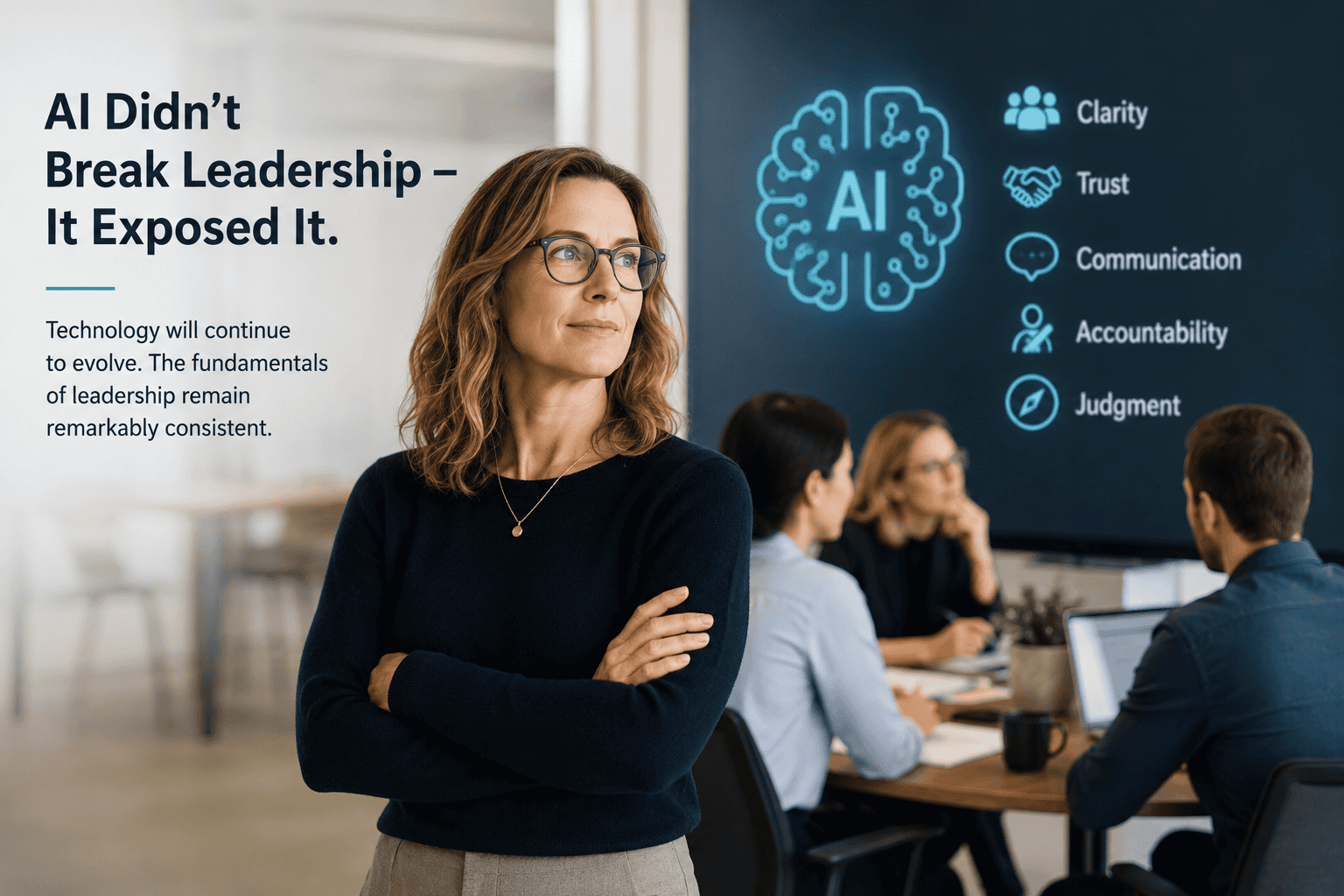
As artificial intelligence, automation, and technology continue to reshape how we work, the human elements of leadership become increasingly important. Technology can streamline processes, analyze information, and support decision-making. But leaders remain responsible for navigating uncertainty, building relationships, exercising ethical judgment, and helping people find meaning in their work. The opportunity is not to compete with technology but to become more intentional about the human capabilities we bring to leadership.
Curiosity. Empathy. Courage. Discernment. Connection.
These are not simply soft skills. They are essential leadership capabilities that influence how effectively people work together, navigate change, and achieve sustainable results.
As the workplace evolves, leaders must evolve with it – not by becoming less human, but by becoming more consciously human.
What Does It Look Like to Lead as a Human?
Human-centered leadership is not demonstrated through grand gestures or inspirational speeches. It is experienced through everyday interactions.
- It looks like listening without immediately offering a solution.
- Being fully present during a conversation rather than thinking about your next meeting.
- Recognizing effort that might otherwise go unnoticed.
- Responding thoughtfully rather than reacting under pressure.
- It means being curious about what is driving someone’s behaviour rather than immediately making assumptions.
- It means acknowledging the impact of your words, actions, and even your silence.
- It also means recognizing your own humanity.
Leaders experience uncertainty, frustration, exhaustion, and self-doubt. Developing the self-awareness to recognize these emotions and the emotional intelligence to manage them is an important part of leading others effectively.
How you lead yourself influences how you lead others.
A Year-End Leadership Reflection
Before setting your professional goals for the coming year, take some time to reflect on the leader you have been and the leader you want to become.
Ask yourself:
- How did people experience my leadership this year?
- When did I prioritize being right over being curious?
- Where did fear, ego, or self-protection influence my decisions?
- Did I create space for others to challenge my thinking?
- How effectively did I balance compassion with accountability?
- When did I demonstrate the courage to be authentic and vulnerable?
- What leadership behaviours am I ready to leave behind?
- What is one intentional shift I want to make in the coming year?
Consider taking this reflection one step further by asking someone you trust:
“What is one thing I could do differently that would positively impact your experience of my leadership?”
Listen without defending, explaining, or justifying. Be curious about what their perspective can teach you.
Awareness creates the opportunity for change, but commitment is what turns that awareness into meaningful action.
Your Title Is What You Do. Your Leadership Is How You Show Up.
At some point, titles change. Roles evolve. Responsibilities shift. What remains is the impact we have had on others.
The people you lead may not remember every decision you made, every meeting you facilitated, or every target you achieved. But they are likely to remember whether you believed in them, challenged them, listened to them, and created opportunities for them to grow.
As you move into the new year, challenge yourself to look beyond your title and consider the legacy you are creating through your everyday leadership choices.
You don’t need to have all the answers. You don’t need to be perfect. You do need to be intentional, courageous, accountable, and willing to grow.
Be the human behind the title.
Make the Coming Year a Year of Intentional Leadership

At Lead Vantage, we believe that leadership development begins with self-awareness and becomes meaningful through intentional behavioural change.
Through individualized coaching, leadership development programs, and interactive workshops, we help leaders strengthen their capabilities, navigate complexity, build meaningful relationships, and create high-performing teams.
As you consider your leadership priorities for the coming year, we invite you to explore our complimentary leadership resources at www.leadvantage.ca/resources or connect with us to discover how we can support your leadership journey.
Sofia Arisheh is a certified HR strategist, leader, and educator with extensive experience in multiple sectors. She specializes in aligning HR strategy with business strategy, focusing on employee-centric approaches to drive better business results.